
Myth-Busting: Common Misconceptions About Eco-Friendly Cleaning


Introduction
As the global focus shifts toward sustainability, eco-friendly cleaning products have gained significant attention. However, with their rise in popularity, several myths and misconceptions have emerged. Let’s dive into some of the most common misunderstandings about eco-friendly cleaning.
Myth 1: Eco-Friendly Means Less Effective
A prevalent misconception is that eco-friendly cleaning products are less effective than their chemical-laden counterparts. In reality, many natural ingredients, such as vinegar and baking soda, have been used for centuries for their cleaning prowess. Modern eco-friendly products combine these traditional ingredients with innovative formulations to deliver powerful results.
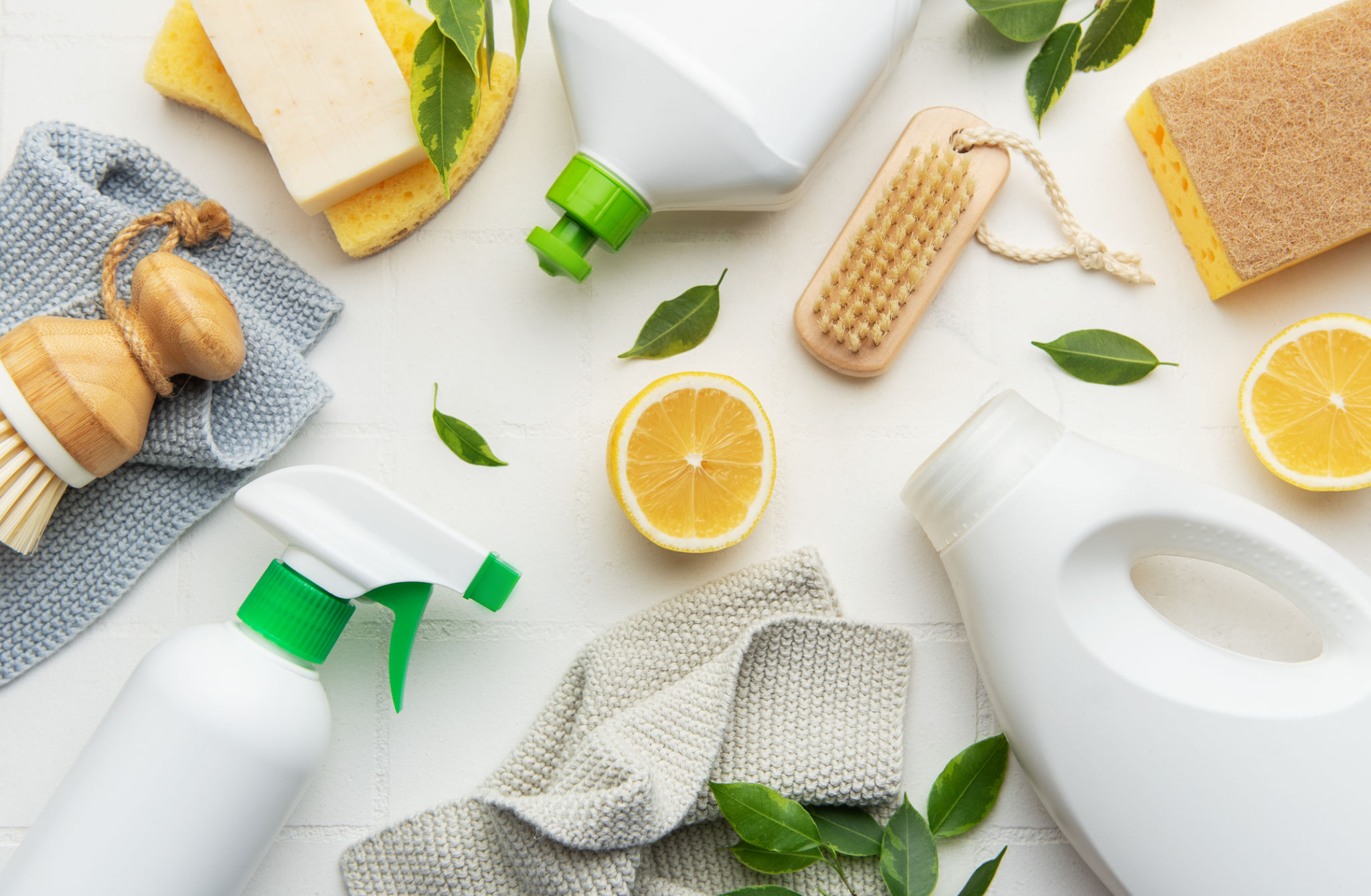
Natural Ingredients Can Be Powerful
Natural ingredients can tackle tough stains and kill bacteria effectively. For instance, tea tree oil is well-known for its antimicrobial properties, while lemon juice can cut through grease effortlessly. These ingredients are not only effective but also safe for the environment.
Myth 2: All Eco-Friendly Products Are 100% Natural
Another misunderstanding is that all eco-friendly products are entirely natural. While many products focus on natural ingredients, some incorporate synthetic elements that are environmentally safe. These synthetic ingredients are carefully selected to minimize environmental impact while enhancing the product's cleaning ability.

The Role of Certification
Certification from reputable organizations can help identify truly eco-friendly products. Look for labels that indicate the product has been tested and approved by environmental standards. These certifications ensure that the product is not only effective but also adheres to eco-friendly practices.
Myth 3: Eco-Friendly Cleaning Is More Expensive
Many people believe that switching to eco-friendly cleaning products will break the bank. While some products might have a higher upfront cost, they often prove to be more cost-effective in the long run. Concentrated formulas mean you use less product per clean, stretching your purchase further.
Making Cost-Effective Choices
When considering eco-friendly options, look for multipurpose cleaners that can tackle various tasks around the house. This reduces the need for multiple products and cuts down on costs.

Conclusion
Eco-friendly cleaning products offer a sustainable alternative without compromising on effectiveness or affordability. By understanding and dispelling these common myths, we can make more informed choices that benefit both our homes and the planet. Embrace the switch to eco-friendly cleaning and contribute to a healthier, greener future.